
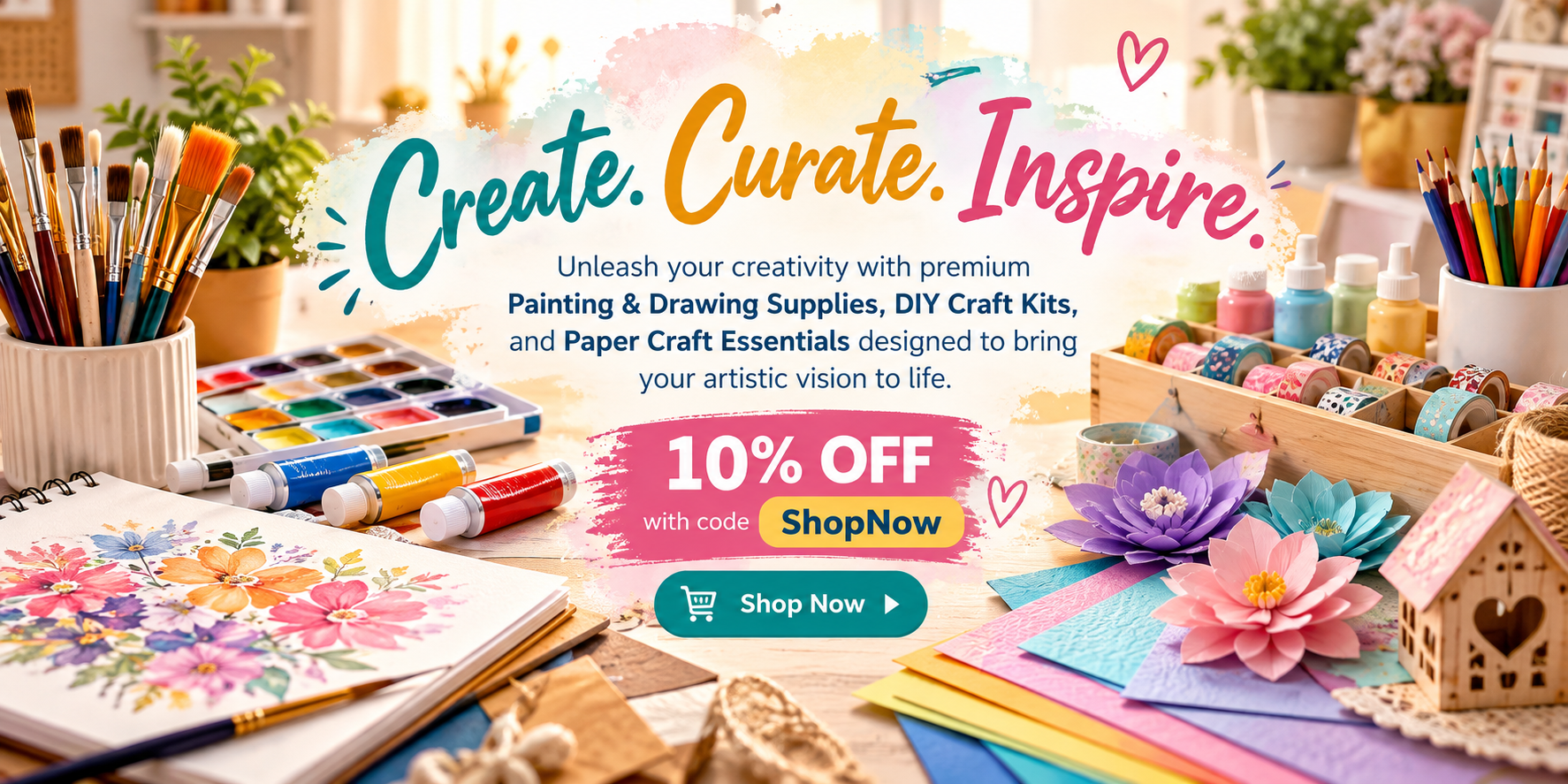
Crafting is an art form that allows for endless creativity and personal expression. By combining different materials, crafters can create truly unique pieces that reflect their individual styles and preferences. This approach to crafting not only enhances the aesthetic appeal of the work but also broadens the possibilities of what can be achieved. Whether you’re a seasoned artisan or a curious beginner, exploring the world of mixed-material crafting can open up new avenues of inspiration and innovation.
Incorporating diverse materials into your crafting projects invites a playful experimentation that can lead to unexpected and delightful results. Picture a project that combines the rustic texture of burlap with the sleek shine of metallic accents, or the warmth of natural wood with the vivid hues of acrylic paints. Each combination adds a layer of depth and complexity, transforming simple ideas into intricate masterpieces.
For those who engage with crafting as a hobby or a business, understanding how to blend materials effectively is key to standing out. It not only empowers you to create distinct products that capture attention but also enhances your ability to solve design challenges innovatively. By mastering the art of mixing materials, you can cater to a wider audience, offering personalized and one-of-a-kind creations.
If you’re looking to expand your crafting repertoire and captivate your audience, consider exploring our product collection for high-quality supplies that can bring your creative visions to life.
Benefits of Mixing Craft Materials
In the vibrant world of crafting, the possibilities are limitless, especially when it comes to combining different materials. Mixing craft materials not only unleashes a new realm of creativity but also provides numerous practical benefits that can enhance any project. For those who love to innovate, experimenting with diverse materials can lead to the creation of unique, personalized pieces that stand out.
One of the primary advantages of mixing materials is the ability to add depth and texture to your projects. By integrating fabrics with metals, or woods with acrylics, crafters can achieve multi-dimensional effects that add visual interest and tactile appeal. This blend of textures can transform a simple design into an intricate masterpiece, capturing the attention and admiration of anyone who sees it.
Additionally, combining materials can lead to greater durability in finished products. For instance, using a strong base material like wood and layering it with softer elements like fabric can provide both sturdiness and aesthetic appeal. This approach not only enhances the lifespan of your craft but also broadens its functional uses.
Moreover, mixing materials encourages sustainability in crafting practices. Reusing and repurposing different components reduces waste and promotes eco-friendly habits. Crafters can breathe new life into leftover scraps and redundant items, turning potential waste into art. This sustainable approach not only benefits the environment but also aligns with the growing consumer demand for eco-conscious products.
Embracing the art of mixing materials is not just about innovation; it’s about redefining what crafting can be. By exploring these techniques, you open doors to endless creative possibilities that reflect your personal style and ingenuity. To explore more about how you can incorporate these ideas into your own projects, visit our shop page for products and more.
Understanding Different Craft Materials and Their Uses
Crafting is an art form that allows individuals to express their creativity through diverse materials. Understanding the array of craft materials available can greatly enhance one’s ability to create unique, personalized projects. Let’s delve into the types and uses of various crafting materials to ensure your creations are both innovative and aesthetically pleasing.
Exploring the Basics
The foundation of any craft project often begins with selecting the right materials. Commonly used materials include paper, fabric, yarn, wood, and clay. Each serves a distinct purpose and contributes differently to the final product. For instance, paper is versatile and can be used for origami, scrapbooking, or card making. Fabric, on the other hand, is essential for sewing, quilting, and textile art projects, offering a tactile element that paper cannot provide.
Combining Materials for Unique Effects
Mixing materials can lead to one-of-a-kind crafts that capture attention and imagination. Combining wood with paint or fabric can create stunning mixed-media art pieces. Yarn and clay, when used together, can result in textured sculptures that are both visually and tactilely engaging. The key is to understand how each material can complement another, enhancing the overall aesthetic and functionality of the craft.
Choosing the Right Tools
Equally important as the materials are the tools used in crafting. Scissors, glue, needles, and brushes are just a few examples of essential tools that facilitate the crafting process. Selecting the right tools for your materials ensures precision and can elevate the quality of the finished product.
By understanding the different craft materials and their uses, you can unlock endless possibilities for your projects. Whether you are a seasoned crafter or just beginning your journey, exploring new materials can inspire and invigorate your creative process. Visit our shop page for products and more to start your next crafting adventure.
Tips for Selecting the Right Materials for Your Project
Creating one-of-a-kind crafts is an exciting adventure, and choosing the right materials is crucial to the success of any project. Whether you’re a seasoned artisan or a crafting novice, the selection process can significantly influence the final product’s aesthetic and functionality. Here are some insightful tips to help you select the ideal materials for your next creative endeavor.
Understand Your Project’s Requirements
Before delving into the world of art supplies, clearly define what your project requires. Consider the purpose of your craft – is it for decorative purposes, practical use, or perhaps a gift? Understanding these aspects will guide you in selecting appropriate materials that align with your project’s goals. For instance, if durability is a priority, opt for robust materials like wood or metal.
Consider Material Compatibility
Mixing materials can bring a unique flair to your project, but it’s essential to ensure they are compatible. Some materials work harmoniously together, while others might clash. For example, combining natural fibers with synthetic ones can create interesting textures and contrasts. Always test material combinations on a small scale to see how they interact before committing fully.
Budget Wisely
Your budget plays a pivotal role in material selection. While high-end materials can elevate your craft, there are often more affordable alternatives that deliver impressive results. Balancing quality with cost-effectiveness ensures you don’t overspend, while still achieving the desired effect.
Explore New Trends
Staying informed about current trends in crafting can inspire fresh ideas and introduce you to innovative materials. For instance, eco-friendly and recycled materials are gaining popularity and can add a sustainable edge to your projects.
Remember, selecting the right materials is not just about the end result; it’s about enjoying the creative journey. Explore our product collection for a wide range of materials that can help bring your artistic vision to life.
Creative Ideas for Combining Materials in Crafts
Creating one-of-a-kind crafts often stems from the artful combination of materials that might not initially seem to belong together. This inventive approach not only fuels creativity but also elevates ordinary crafts into extraordinary works of art. For those eager to explore the endless possibilities, here are some creative ideas that will inspire you to mix materials in your next crafting project.
1. Fabric and Wood
Combining the softness of fabric with the sturdiness of wood can lead to stunning results. Picture a handmade clock where the face is adorned with intricately patterned fabric, lending a touch of elegance to the otherwise rustic structure. This blend creates a unique aesthetic that is both warm and sophisticated.
2. Metal and Glass
Metal and glass can work together to produce crafts that boast a sleek, modern edge. Imagine a centerpiece bowl made from swirling metal intertwined with clear or colored glass. This fusion not only adds visual interest but also allows light to play off the surfaces, creating a dynamic display.
3. Paper and Clay
Incorporating paper with clay can bring texture and dimension to your crafts. Consider crafting a series of decorative tiles where clay forms the base and paper is intricately embedded or layered on the surface. The result is a tactile experience that invites touch and admiration.
By embracing the fusion of different materials, your crafting projects can transcend traditional boundaries. Whether you are crafting for personal enjoyment or professional purposes, these combinations offer a pathway to innovation and creativity. For more inspiration, explore our product collection and unleash your inner artist.



0 Comments